Tankers paid by trip
Tanker records may show trips rather than measured volume. Check delivered water against the recorded supply.
Explore Assessment

Hospitals use water around the clock in wards, sterilisation, laundry, kitchens and dialysis. We map sources and uses, then connect readings that help the facilities team manage supply and losses.
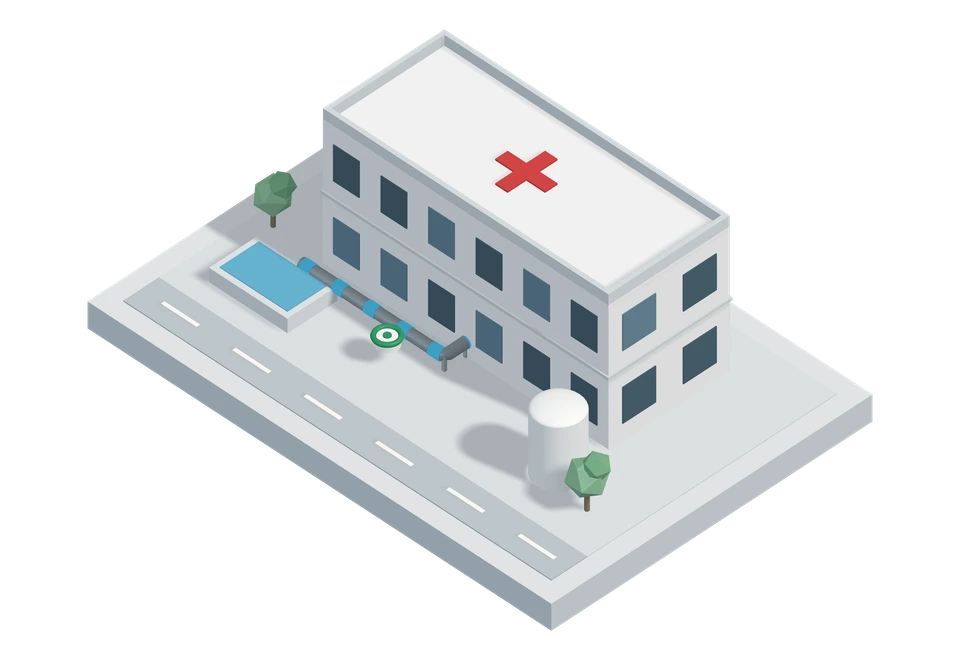
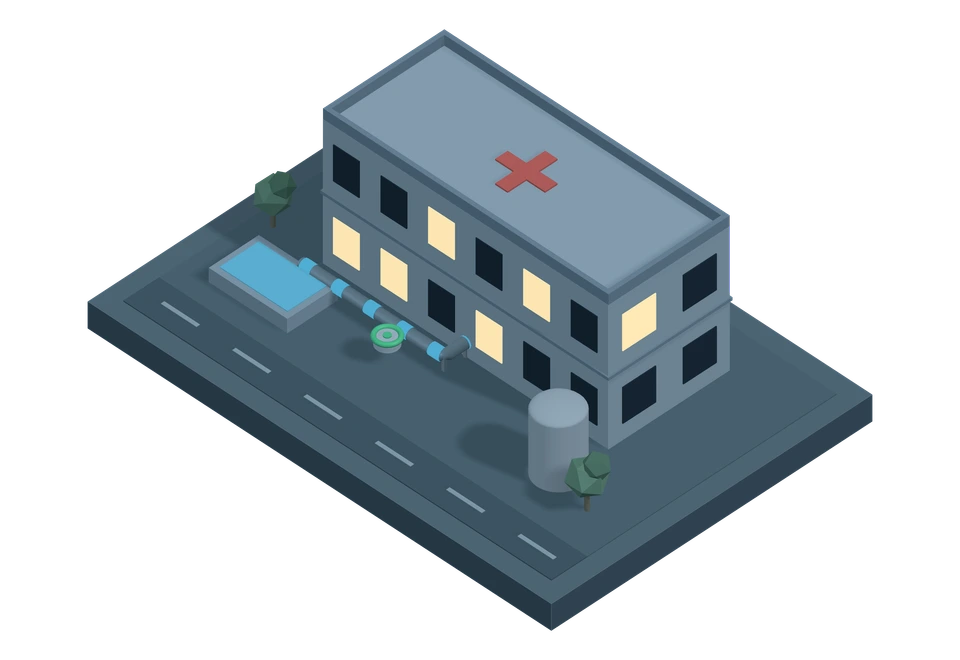
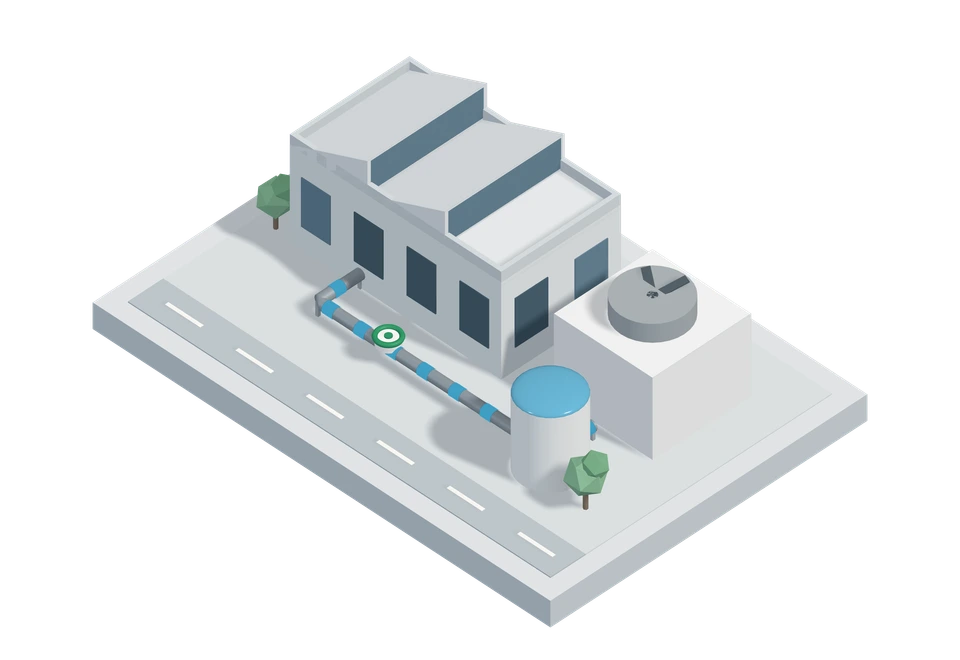
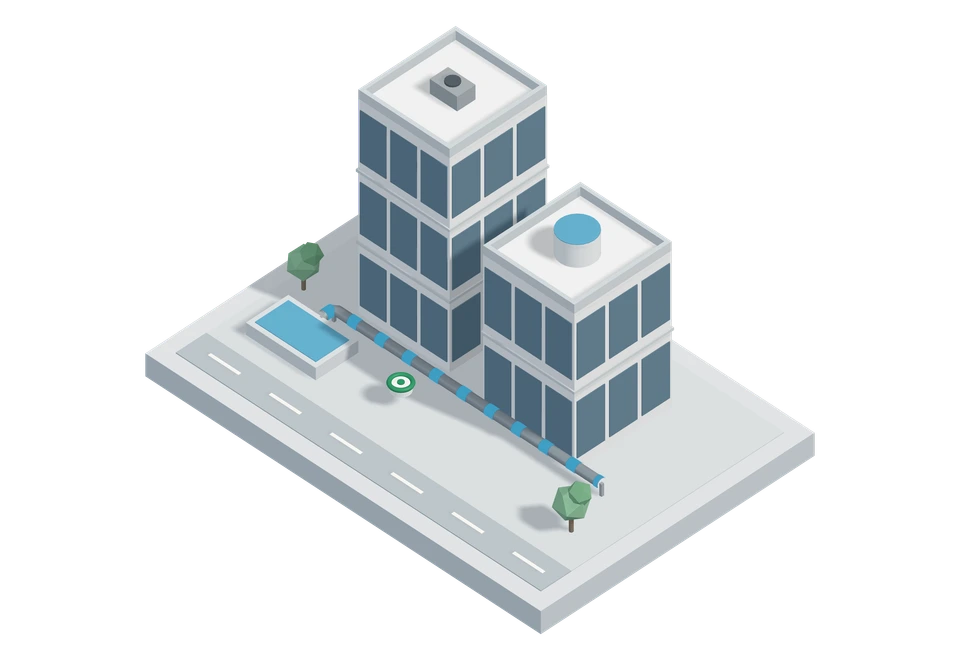
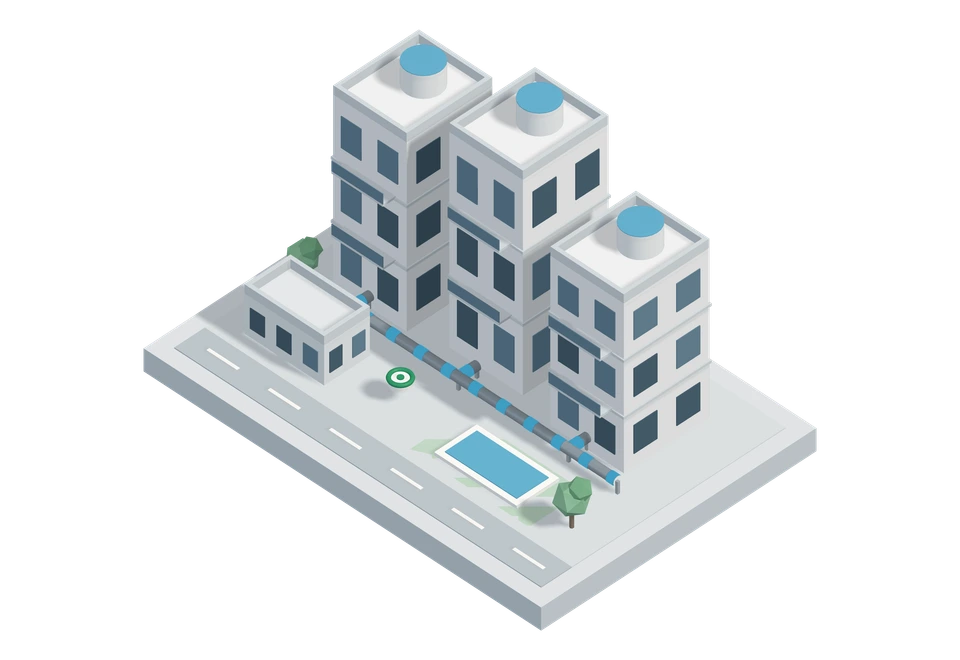
A typical layout. Every site differs, and the assessment maps yours.
Tanker records may show trips rather than measured volume. Check delivered water against the recorded supply.
Explore AssessmentUnmetered reject obscures treatment losses. Any reuse needs a separate review of water quality, site requirements and infection-control procedures.
Explore AssessmentFixed blowdown schedules can release excess water. Compare operation with water quality and cooling load.
Explore EcoVapureMap water sources, storage and uses with the facilities team, then agree a water balance and prioritised actions.
How the assessment worksLive tank levels and source-wise use help your team monitor reserves and respond to changes in supply.
See WaterOSCooling tower optimisation for HVAC plants, and the EcoVapure Module.
See EcoVapureAccess and measurement work must be agreed with your facilities and clinical teams. The plan identifies permitted areas, operating constraints and any installation windows.
A group assessment starts by agreeing the scope for each hospital and a common basis for comparison. Site conditions and services determine the measurement plan.
Start with a Water Intelligence Assessment and a measured picture of where your water goes.