Water at 2 AM
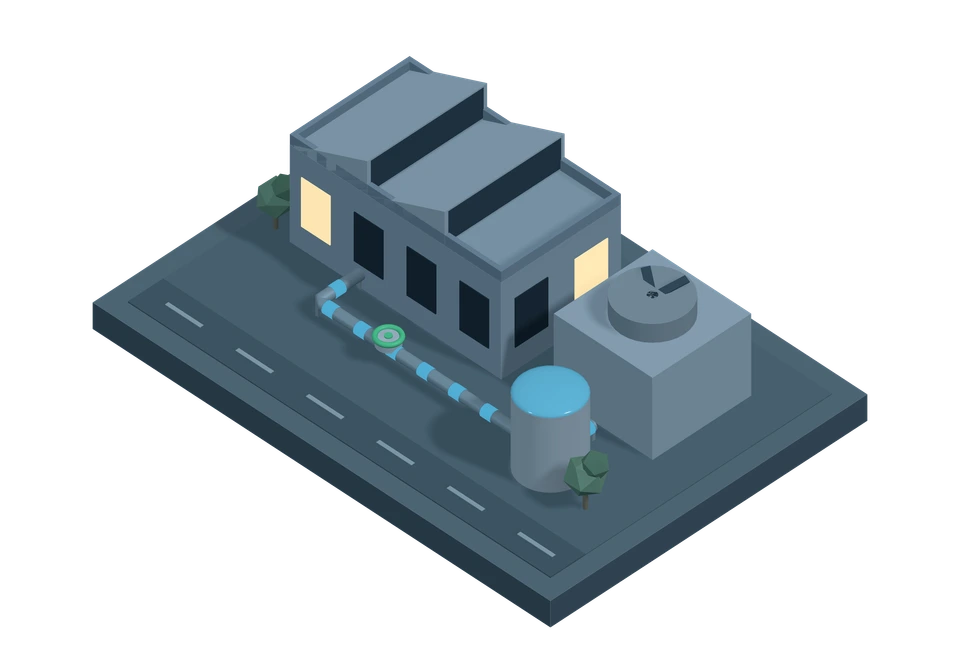
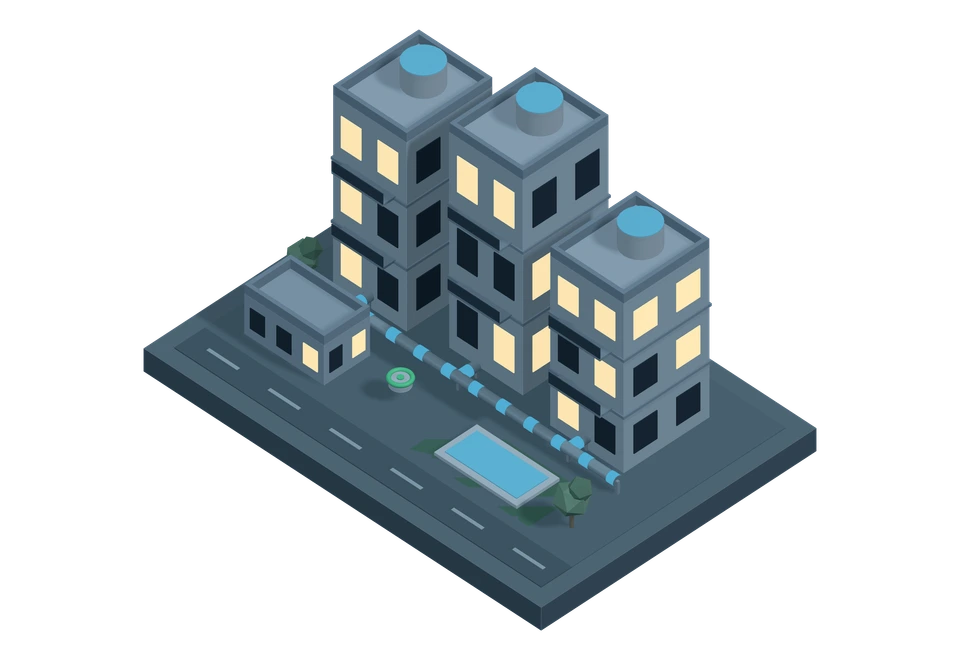
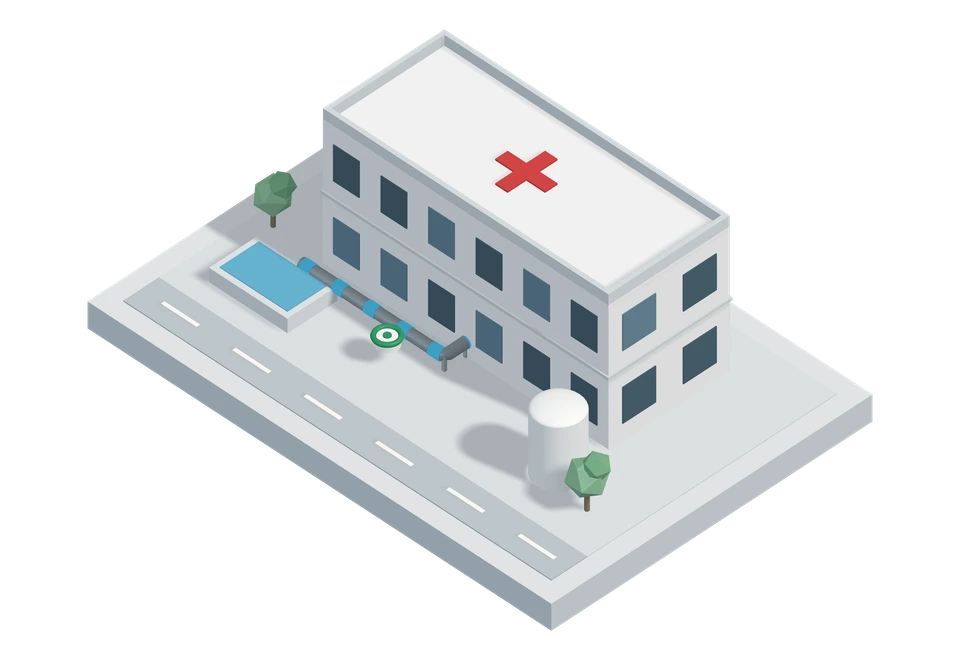
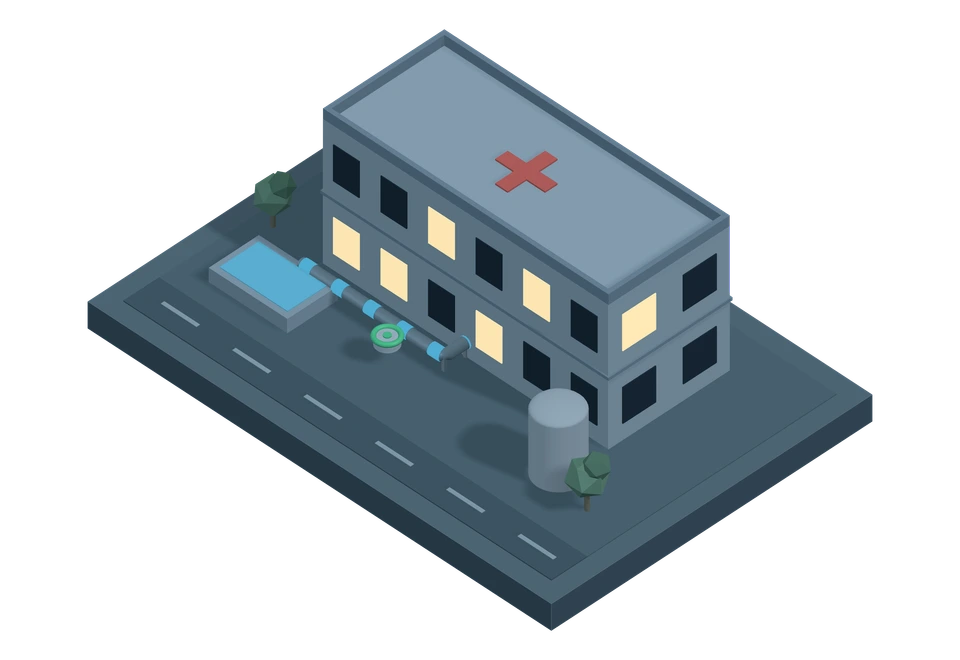
A stuck flush valve or an open tap keeps a block drawing water after everyone has left.
Explore WaterOS

Campuses draw from municipal supply, borewells and tankers, store it in sumps and overhead tanks, and spread it across buildings and tenants. We show which building uses what, and when.
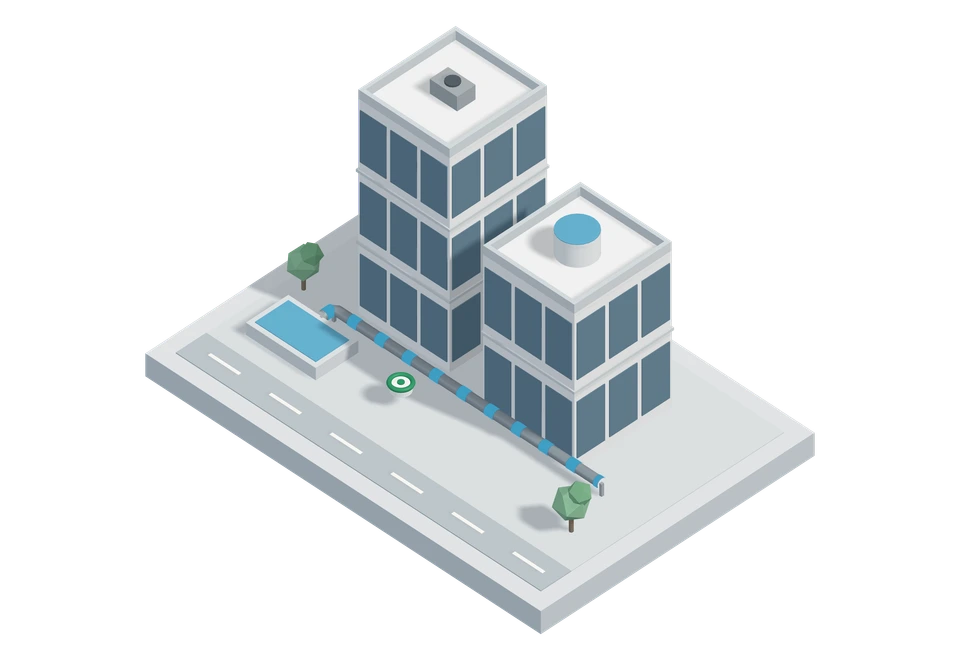
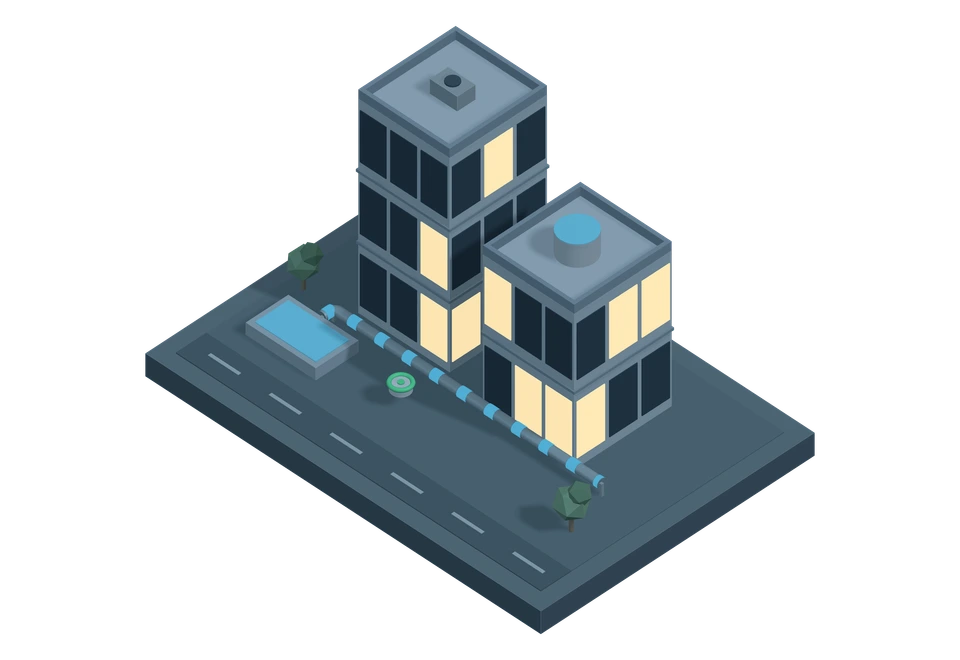
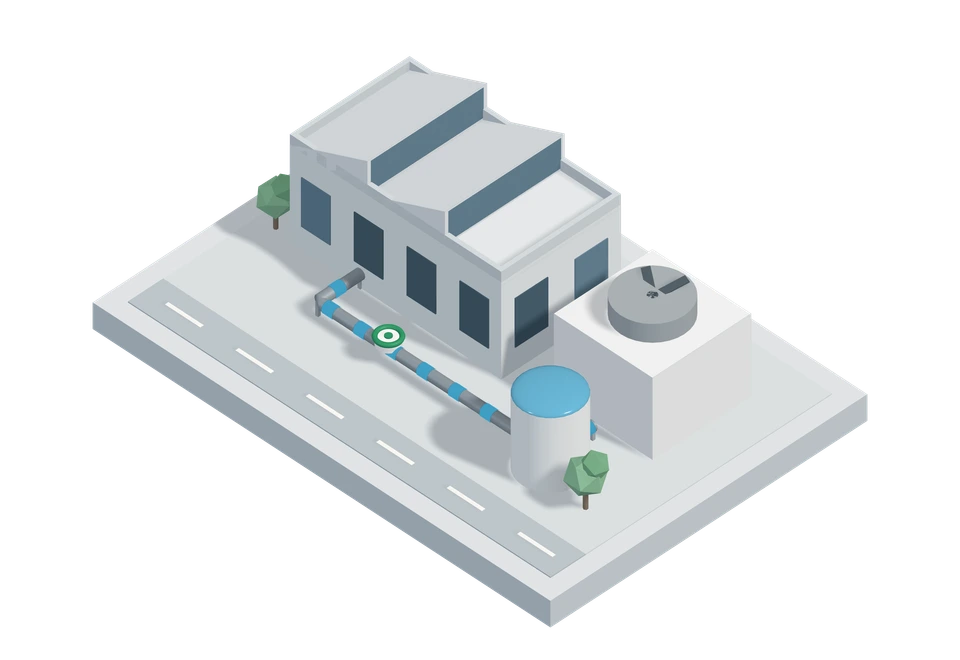
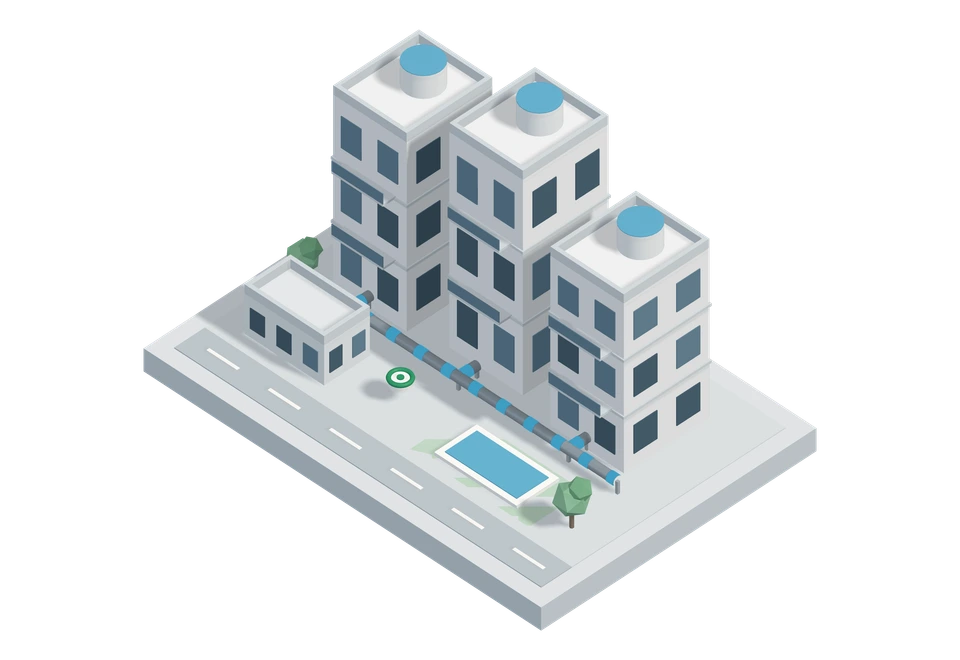
A typical layout. Every site differs, and the assessment maps yours.
A stuck flush valve or an open tap keeps a block drawing water after everyone has left.
Explore WaterOSPumps on a timer keep filling overhead tanks after they are full.
Explore WaterOSCounting trips does not confirm delivered volume. Compare measured deliveries with the records you pay against.
Explore AssessmentBuilding and tenant-level mapping, a water balance and a roadmap ranked by savings.
How the assessment worksBuilding-wise use, hourly history, night-flow alerts, tank levels and reports by site.
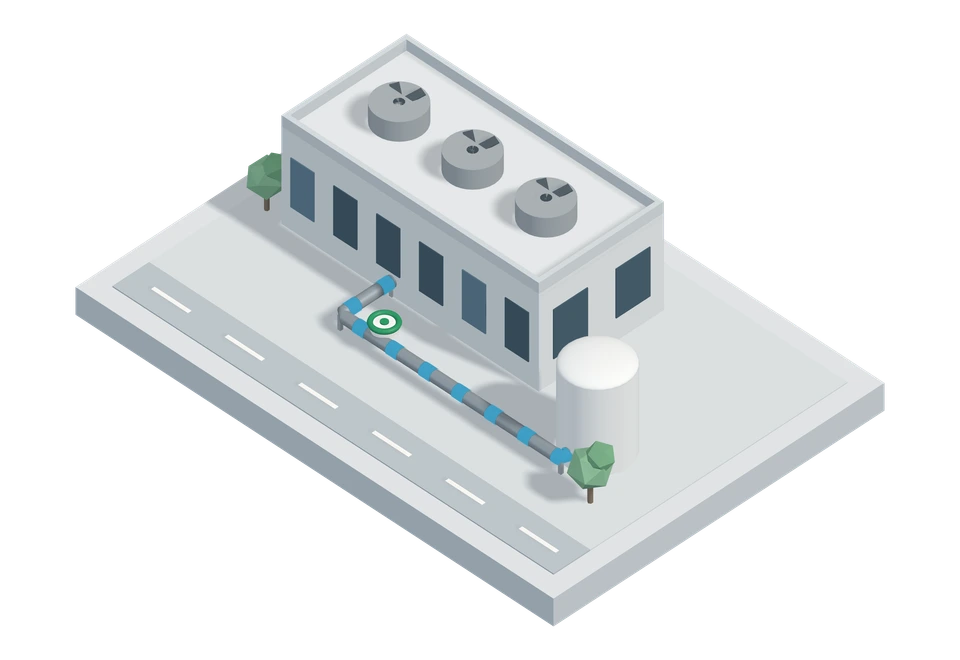
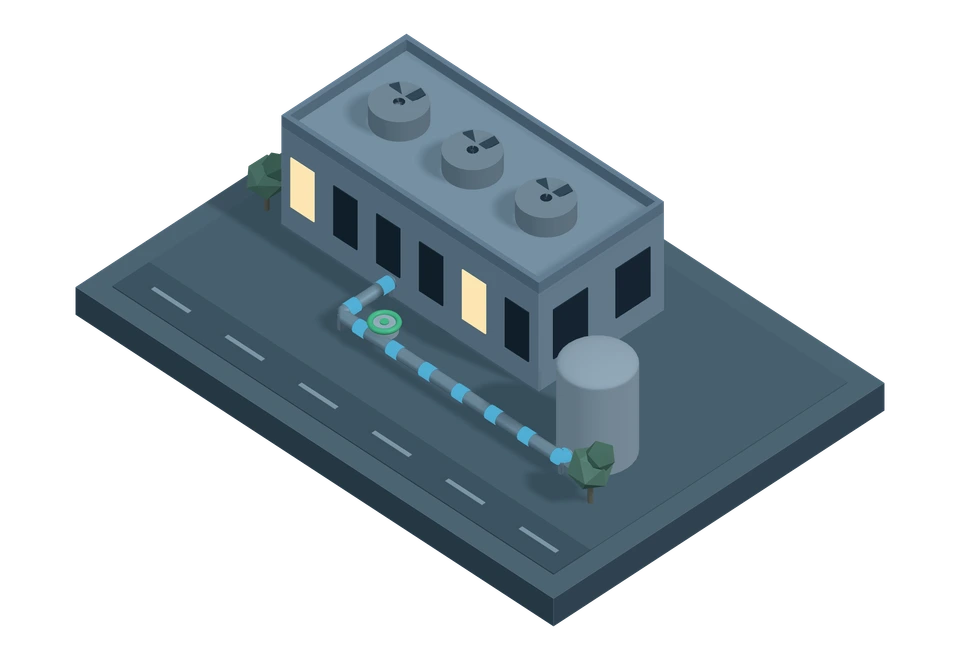
See WaterOSFor chiller plants: cooling tower optimisation and the EcoVapure Module.
See EcoVapureYes. Every city, site and building appears in one view with a map, and you can drill down to a single meter.
No. Compatible BMS points and meters connect to WaterOS. We confirm each one during the assessment.
Start with a Water Intelligence Assessment and a measured picture of where your water goes.